1 August 2026
MRFF grant to take ApixaShield towards first-in-human trial
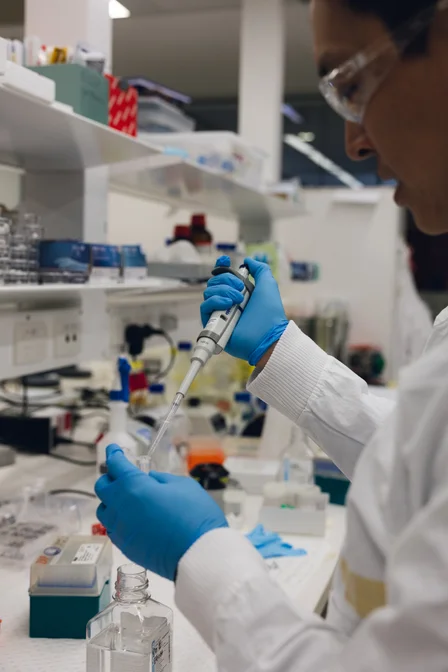
Nanomedx co-founder Dr Richard Tan has been awarded over $426,000 through the Medical Research Future Fund to advance ApixaShield, a nanoparticle coating that protects transcatheter heart valves from early deterioration.
The award was made under the MRFF Early to Mid-Career Researchers Initiative, and runs from April 2026 to December 2029. Dr Tan leads the project as Chief Investigator, with Nanomedx as industry partner.
A longer-lasting valve
Transcatheter Aortic Valve Implantation (TAVI) has made valve replacement far less invasive, but the valves last only 10 to 15 years. Younger patients often outlive their replacement and face repeat intervention, which is why earlier treatment of aortic stenosis remains difficult to offer.
ApixaShield applies Nanomedx’s nanoparticle platform to the valve surface to make it more resilient to the clotting that starts that decline. The coating is applied in the operating room immediately before implantation, with no change to the valve or the procedure itself.
The research behind the coating was published this year in JACC: Basic to Translational Science. In an accompanying editorial, Dr Stephanie Sellers and Dr Edward Quine wrote that the study presents “strong evidence that valve surfaces can become therapeutic interfaces capable of actively modifying the biological environment after implantation”.
From bench to bedside
The grant funds three linked stages: GMP-certified manufacturing, preclinical evaluation in a large animal model, and a first-in-human safety trial in patients undergoing TAVI. Together they aim to bring ApixaShield to the point where a major valve manufacturer can take it forward.
Dr Tan leads a team spanning device engineering, thrombosis research and interventional cardiology, in close collaboration with Nanomedx clinical advisor Prof. Martin Ng, who performed Australia’s first TAVI procedures.
The award continues a run of translational funding for the platform, following the $750,000 TTRA Tranche A investment announced last year for the company’s peripheral artery disease program.